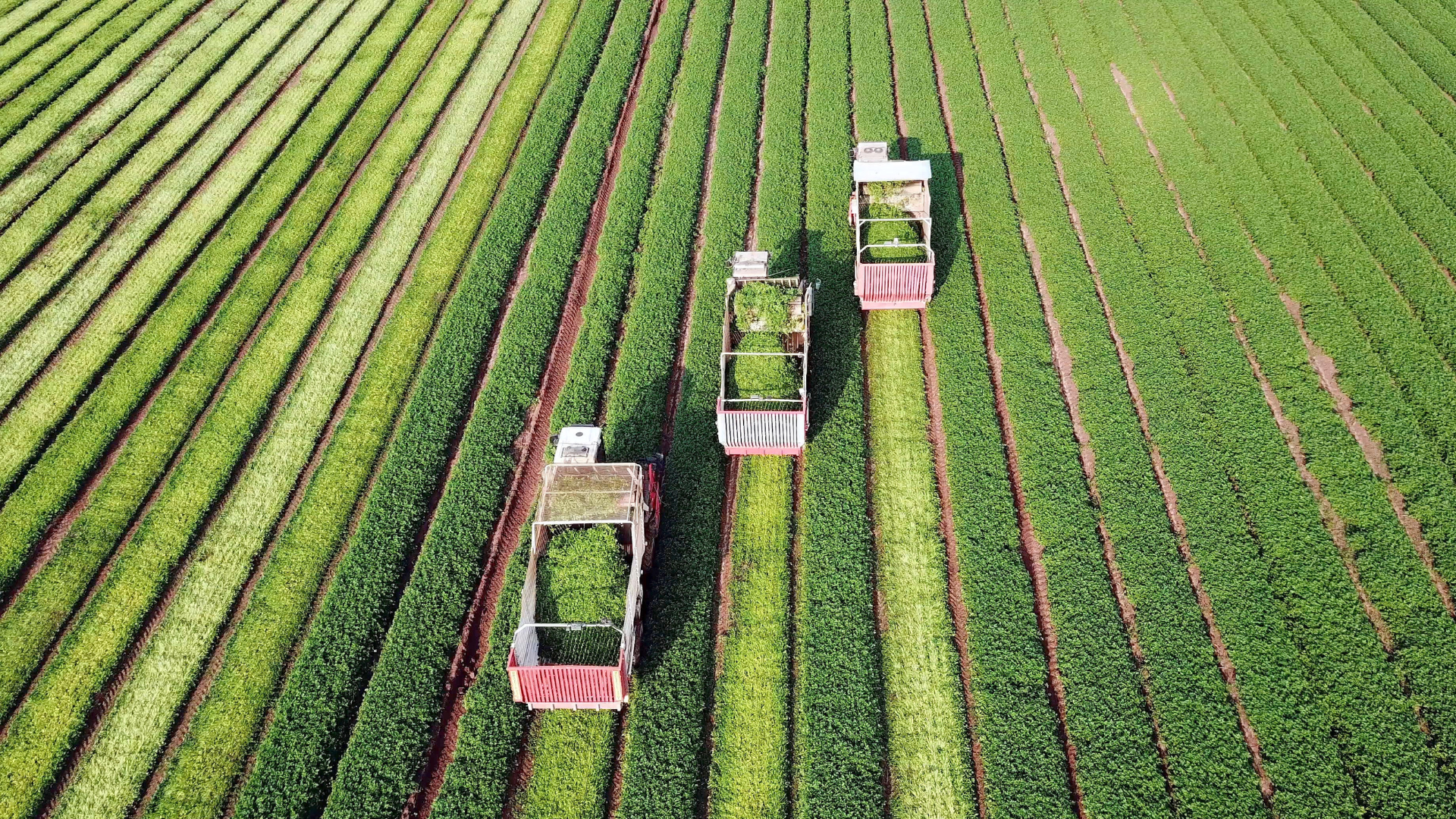
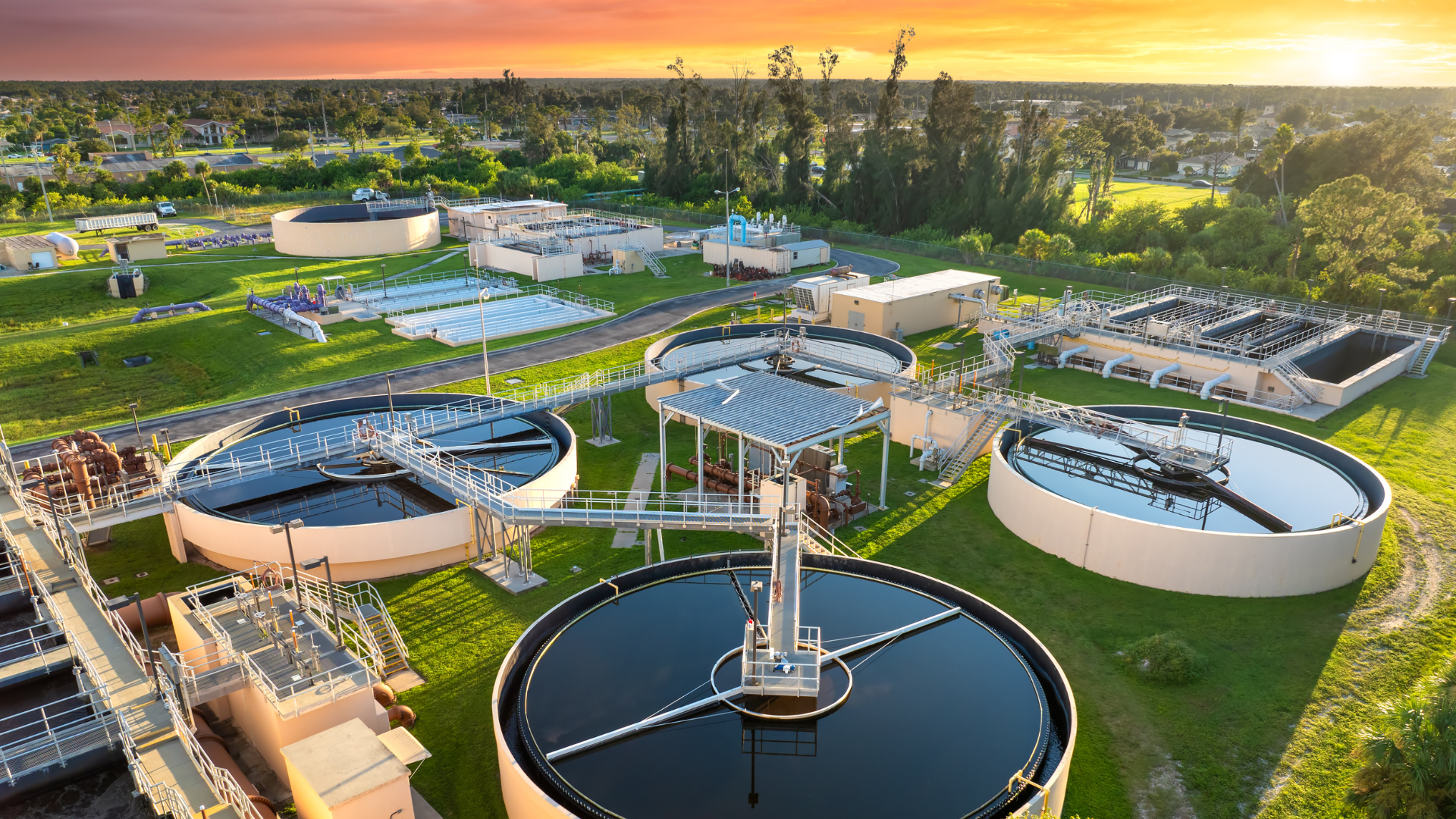
Cannabis cultivation, processing, manufacturing, and distribution operations often require specialized real estate and substantial investments in building improvements, infrastructure, and equipment.
Indoor cultivation facilities, greenhouses, and processing properties may incorporate specialized lighting, heating, ventilation, air conditioning, irrigation, electrical, security, and environmental control systems. These improvements can represent a significant portion of the capital invested in a facility.
However, the cost of developing or improving a cannabis property does not necessarily correspond to its market value.
Changes in production methods, market demand, licensing conditions, or operating requirements may reduce the utility of specialized improvements. Facilities designed for a particular cultivation or processing operation may also require substantial modifications before they can accommodate another use.
These circumstances can create functional or external obsolescence, affecting both the value of the property and the economic viability of continued operations.
Location and infrastructure availability are additional considerations. Access to water, adequate electrical capacity, zoning approvals, and other essential resources can influence operating costs, development feasibility, and the suitability of a property for cannabis-related use.
For property owners, investors, and lenders, understanding these characteristics is important when evaluating acquisitions, financing, redevelopment, asset dispositions, or alternative uses for existing facilities.
Marshall & Stevens’ real estate and machinery and equipment professionals assess specialized properties and operating assets, including the effects of physical condition, market demand, remaining useful life, and obsolescence.
Cannabis industry transactions can involve financial, regulatory, and operational considerations that extend beyond those encountered in many conventional business acquisitions.
Buyers and investors must evaluate the sustainability of operating performance, the transferability of licenses, existing financing obligations, tax exposure, and the condition and economic utility of underlying assets.
These considerations can affect transaction pricing, deal structure, due diligence requirements, and the allocation of risk between buyers and sellers.
Evaluating Business Performance and Transaction Risk
Historical financial results may not fully reflect the future earning capacity of a cannabis business, particularly where pricing conditions, production costs, or regulatory requirements have changed.
Transaction participants may need to assess the relationship between reported earnings, cash flow, capital expenditures, and ongoing financing requirements. They must also consider whether projected improvements in profitability are supported by the company’s operating capabilities and market conditions.
For businesses experiencing financial distress, additional questions may arise regarding liquidity, debt obligations, asset recoverability, and the feasibility of continued operations.
Independent financial analysis can help buyers, sellers, investors, and lenders understand these issues before committing capital or negotiating transaction terms.
Cannabis acquisitions may involve intangible assets that contribute materially to the value of the acquired business.
Depending on the transaction and the applicable accounting requirements, these assets may include cannabis licenses, trade names, customer relationships, and other identifiable intangible assets.
The economic benefits associated with a license or other intangible asset may depend on regulatory restrictions, market access, anticipated cash flows, competitive conditions, and the expected period over which those benefits can be realized.
Identifying and evaluating these assets is particularly important in business combinations that require purchase price allocation under ASC 805 or other applicable financial reporting standards.
Transactions involving cannabis businesses may also include significant real estate holdings, cultivation infrastructure, processing equipment, and other specialized operating assets.
The economic value of these assets may differ from their historical cost or carrying value, particularly where facilities have become less competitive or equipment has experienced technological or functional obsolescence.
Understanding the value and condition of these assets can help transaction participants assess collateral, evaluate potential dispositions, and determine how different assets contribute to the overall economics of an acquisition.